Developing a hierarchical approach to solving difficult Upper extremity symptomology
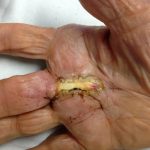
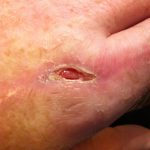
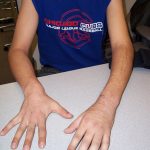
Become the Therapist Patients and Physicians Rely On for Complex Upper Extremity Cases
Even after excellent surgical intervention and multiple therapy visits, some upper extremity cases continue to struggle with pain, stiffness, dysfunction, or delayed recovery. These are the challenging patients who often arrive at your clinic after traditional approaches have failed — and physicians are looking to you for answers.
Upper Extremity Challenges: Practical Clinical Approaches is an advanced, highly interactive, hands-on course designed to strengthen your clinical reasoning, problem-solving, and decision-making skills when managing complex upper extremity conditions.
Through real clinical cases, participants will learn a step-by-step framework for evaluating difficult presentations, identifying barriers to recovery, and applying evidence-based interventions effectively.
This course bridges the gap between research and practical application by integrating:
- Clinical reasoning and differential problem solving
- Evidence-based splinting strategies
- Effective prioritization and application of modalities
- Manual therapy techniques for complex cases
- Applied anatomy, pathology, biomechanics, physics, and psychology
- Treatment progression at different stages of healing and recovery
- Strategies for resolving chronic and unresolved dysfunction
Participants will work through actual patient cases and explore how challenging complications were successfully resolved using systematic assessment, critical thinking, and practical treatment techniques.
If you want to build confidence in handling difficult upper extremity cases and become the therapist physicians trust for solutions, this course is for you.
Join us for a highly interactive, clinically focused, hands-on learning experience.
CEU OFFERED: 12
COURSE OBJECTIVE:
The attendee will
1) Developing a hierarchical approach to solving difficult upper extremity symptomology.
2) Identifying the presenting problem through a thorough understanding of functional anatomy, pathophysiology and biomechanics of the upper quadrant.
3) Developing a thorough assessment plan by breaking down the evaluative process into sub-tasks to establish a more effective treatment plan that follows a hierarchical process of connective tissue healing
4) Developing treatment strategies that are tailor based on patients evaluative findings and presentation of the symptomology.
- The intervention will be derived from sound clinical reasoning and evidence based research
- Design customized exercises based on knowledge of applied physics .
- Design appropriate splinting during varied stages of injury based on tissue assessment and impairment.
KEY SPEAKERS:
- Saba Kamal – OTR, CHT
- Ashim Bakshi – MHS, OTR, CHT
OUTLINE /AGENDA
COURSES SIMILAR TO THESE AND NOT EXACTLY AS NOTATED BELOW MIGHT BE PRESENTED BASED ON TIME AND LATEST RESEARCH
Day 1
8:30 am – 9:45 am. Introduction. Principles and Pathophysiology of the healing tendon, bone and nerve- from theory to clinical applications. Principals that guide our treatment, critical thinking in devising tailor made treatment interventions based on diagnosis and surgical intervention
Apply reasoning and applied physics with splinting. Learn how joint mobilization and soft tissue mobilization assists in functional improvement
10:00 am to 12:30pm – Shoulder cases
- 4 weeks post motor vehicle accident with brachial neuritis presents with extreme hypersensitivity around the neck and no use of arm/ hand
- Shoulder proximal humerus fracture with minimal displacement – conservative management.
- Shoulder humeral head fracture with failed ORIF and eventual hemiarthroplasty. Functional passive motion but no active ROM.
- Rotator cuff repair with involvement of the thoracic inlet
12:30pm – 1:30 pm – Lunch
1:30 pm to 4:30 pm – Hand cases
- TFCC repair transitioning into complex regional pain syndrome
- Crushed hand
- Meta carpal fracture- ORIF
- Flexor tendon repair – Rehabilitation at different stages
- PIP fracture- ORIF – the enigma posed by the little finger
4:30 pm to 5:30pm
Case presentations by attendees. Cases will be provided
DAY 2
8am to 11:45 am – Elbow Cases
- Distal Humerus Fracture supracondylar fracture 6 weeks post op goes through HO release and results in all nerves paralyzed from elbow down. Resolving elbow stiffness while managing paralyzed hand.
- Terrible triad at the elbow, presented 4 months after injury, started therapy 4 weeks post op with presentations of stiff shoulder and an Immobile elbow/ forearm
- Distal radius / ulnar styloid fracture with ORIF
11:45 am to 12:30pm
Case presentations by attendees.